

What Is Diathermy for Skin Lesions?
What Is Diathermy for Skin Lesions?
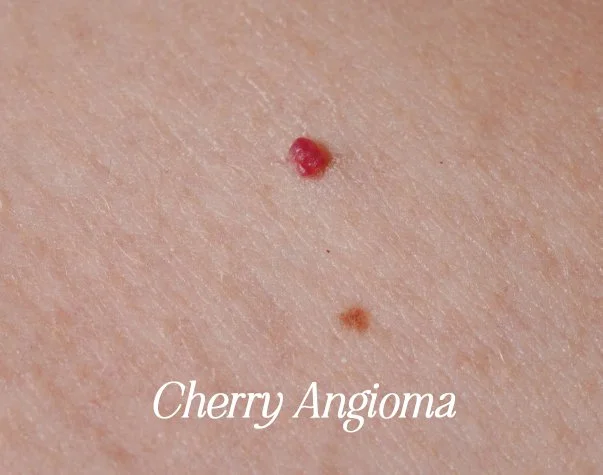
At LUUM, we have introduced a new treatment designed to address common, benign skin concerns such as cherry angiomas, sebaceous hyperplasia, and skin tags. This treatment uses diathermy, also known as cauterisation or curettage of lesions.
While the terminology may sound clinical, the concept is actually quite simple.
Diathermy uses a very fine tip that delivers a controlled electrical current to the surface of the skin. This creates a small amount of heat at the base of the lesion, allowing it to safely break down and coagulate.
Over time, the treated area naturally heals and the lesion diminishes or disappears.
What Can Diathermy Treat?
Diathermy is suitable for a range of common, benign skin concerns.
These include:
Cherry angiomas (small red vascular spots)
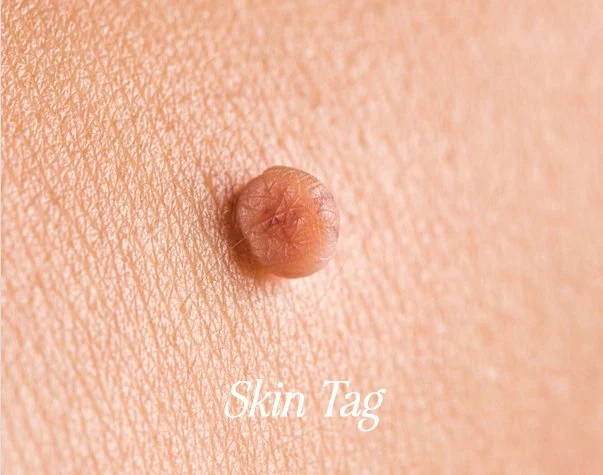
Skin tags (soft, raised growths)
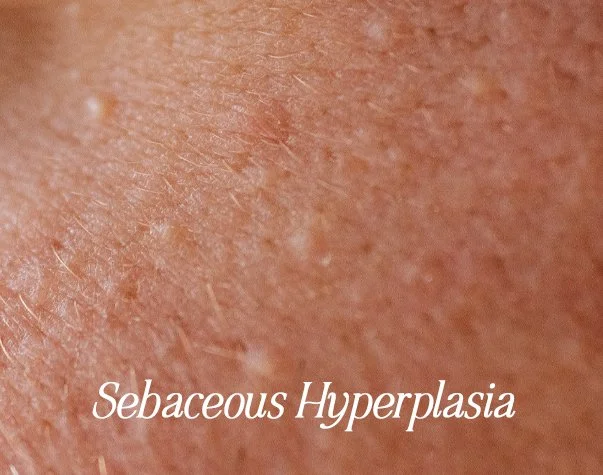
Sebaceous hyperplasia (enlarged oil glands that appear as small bumps)
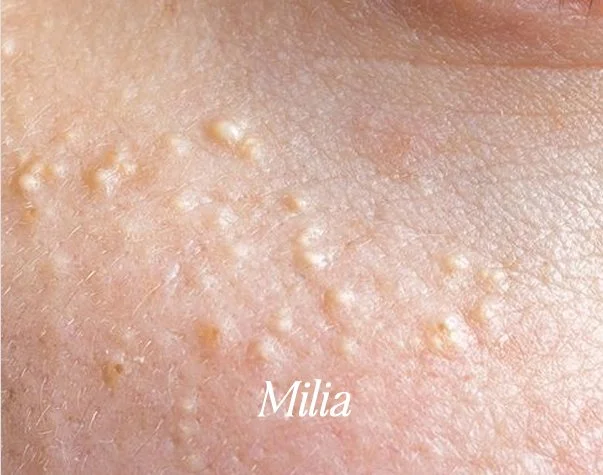
Milia (small white keratin-filled bumps)
These concerns are very common and often develop gradually over time.
While they are harmless, many clients choose to treat them for cosmetic reasons or to achieve a smoother, more even skin appearance.
How Does Diathermy Work?
If you’re wondering what’s actually happening during treatment, here’s the easiest way to think about it.
The device gently delivers heat to the base of the lesion. This heat:
Stops the blood supply (for vascular lesions like cherry angiomas)
Breaks down the tissue
Allows the body to naturally heal and clear the area
It is a very targeted treatment, meaning only the lesion is affected while the surrounding skin remains intact.
What to Expect During Treatment
Diathermy is a quick, in-clinic procedure.
During your appointment:
The area is carefully assessed
A fine-tip device is used to treat each lesion individually
The sensation is brief and tolerable for most clients
Treatment time will depend on how many areas are being addressed.
What Happens After Treatment?
After treatment, the skin will begin a natural healing process.
You may notice:
Slight redness or sensitivity
A small crust forming over the treated area
Gradual healing over the following days to weeks
It’s important to understand that results are not immediate. The skin needs time to repair, and the final outcome typically becomes visible over a few weeks.
Because of this healing process, before and after imagery is best assessed once the skin has fully recovered.
Is There Any Downtime?
Downtime is minimal, but some aftercare is required.
Most clients can return to normal activities shortly after treatment. However, we will guide you on how to care for the area to support optimal healing.
This may include:
Keeping the area clean and protected
Avoiding picking or touching the treated spots
Using appropriate skincare as advised
Why Clients Choose Diathermy
Many clients choose diathermy because it is:
Targeted and precise
Suitable for multiple lesion types
A non-surgical option
Quick and performed in-clinic
It offers a simple solution for concerns that can otherwise be difficult to address with topical skincare alone.
A Personalised Approach at LUUM
At LUUM, every treatment begins with a thorough consultation.
Not all skin lesions are suitable for cosmetic treatment, so careful assessment is essential. We take the time to understand your skin, confirm suitability, and create a tailored plan.
Our focus is always on safe, considered treatments that support long-term skin health.
Considering Treatment IN PERTH?
If you have noticed changes in your skin or have small lesions you would like assessed, a consultation is the best place to start.
We can guide you through your options and determine whether diathermy is appropriate for your individual concerns.